Solar-powered electric vehicle charging represents the ultimate sustainable transportation solution, combining renewable energy with clean mobility. However, choosing between AC and DC EV solar chargers requires understanding their fundamental differences, advantages, and practical applications. Learning these distinctions helps homeowners select the optimal EV solar charger for their unique circumstances and requirements.
AC EV Solar Chargers: Home-Focused Simplicity
AC EV solar chargers convert solar-generated DC power into alternating current, then back to DC power within the vehicle’s onboard charger. This dual conversion process introduces slight efficiency losses but enables use of existing home electrical infrastructure without specialized installation. AC EV solar chargers deliver moderate charging speeds ranging from 3-7 kilowatts, making them ideal for overnight home charging and residential applications.
The practical advantages of AC EV solar chargers include simpler installation, lower equipment costs, and seamless integration with standard household circuits. Most residential properties can accommodate AC solar chargers without expensive electrical modifications. This accessibility makes AC EV solar chargers the most popular choice for homeowners seeking convenient, affordable solar-powered vehicle charging.
DC EV Solar Chargers: Fast Commercial Performance
DC EV solar chargers skip the intermediate AC conversion, converting solar DC power directly to the DC power required by vehicle batteries. This single-stage conversion eliminates efficiency losses associated with multiple transformations, delivering superior energy utilization compared to AC systems. DC EV solar chargers provide substantially faster charging speeds, typically 50+ kilowatts, enabling rapid vehicle charging suitable for commercial fleet applications and frequent high-demand scenarios.
The advantages of DC EV solar chargers include exceptional efficiency, rapid charging capabilities, and optimal performance for high-volume charging operations. However, DC systems require specialized electrical infrastructure, more sophisticated installation procedures, and significantly higher equipment costs. These commercial-grade systems suit public charging stations and commercial facilities rather than typical residential installations.
Installation and Cost Considerations
AC EV solar chargers require standard electrical installation accessible to most homes, with moderate equipment costs making them financially practical for residential use. DC EV solar chargers demand specialized three-phase electrical infrastructure and professional installation, creating substantial cost barriers for residential adoption. The price difference reflects DC’s commercial-grade capabilities and specialized requirements.
Efficiency and Performance Trade-offs
AC EV solar chargers sacrifice some efficiency for practicality and accessibility, while DC systems maximize efficiency for demanding commercial applications. The choice depends on your specific needs: residential homeowners typically prioritize practical convenience and affordability, while commercial operators prioritize charging speed and efficiency.
Conclusion
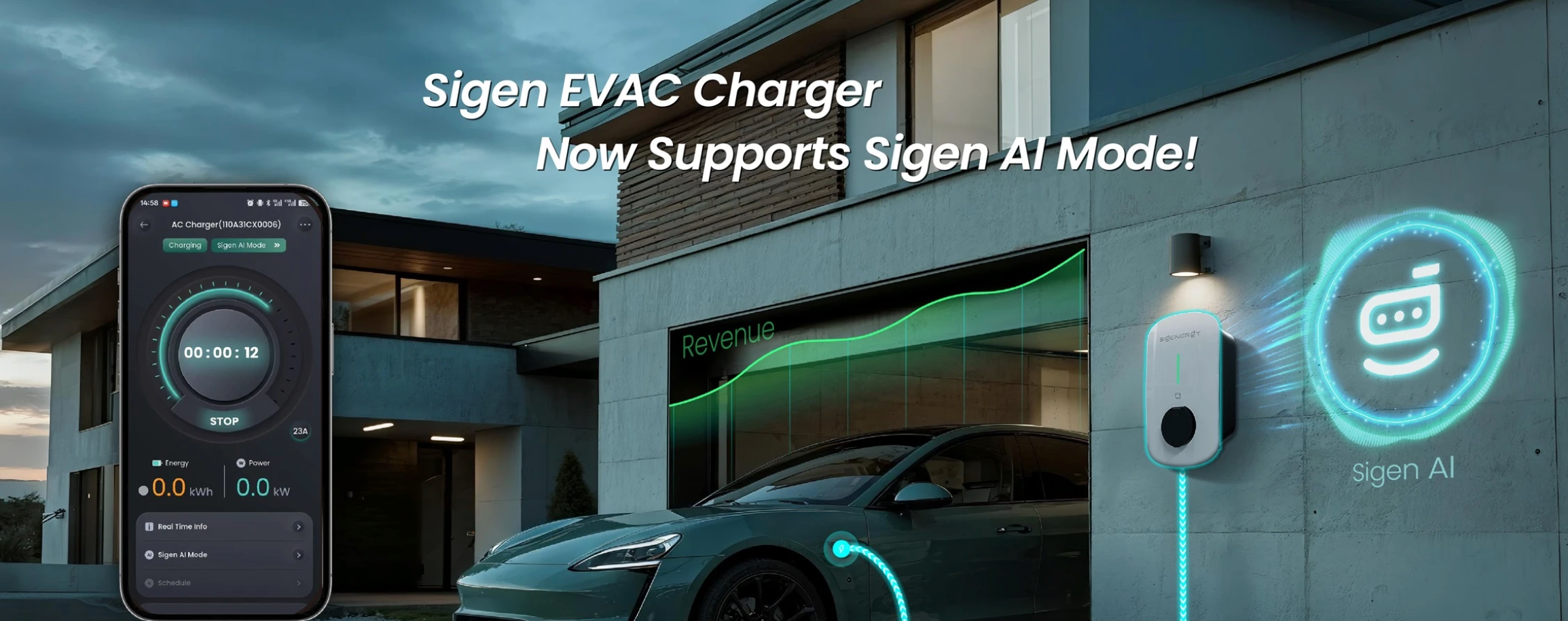
Understanding AC versus DC EV solar chargers helps homeowners select appropriate residential charging solutions for their solar energy systems. Sigenergy‘s Sigen EV AC Charger delivers practical, efficient home solar charging that seamlessly integrates with residential solar installations and household energy systems. With Sigen EV AC Charger, homeowners can confidently embrace solar-powered EV charging without expensive infrastructure modifications or complex professional installation requirements.
