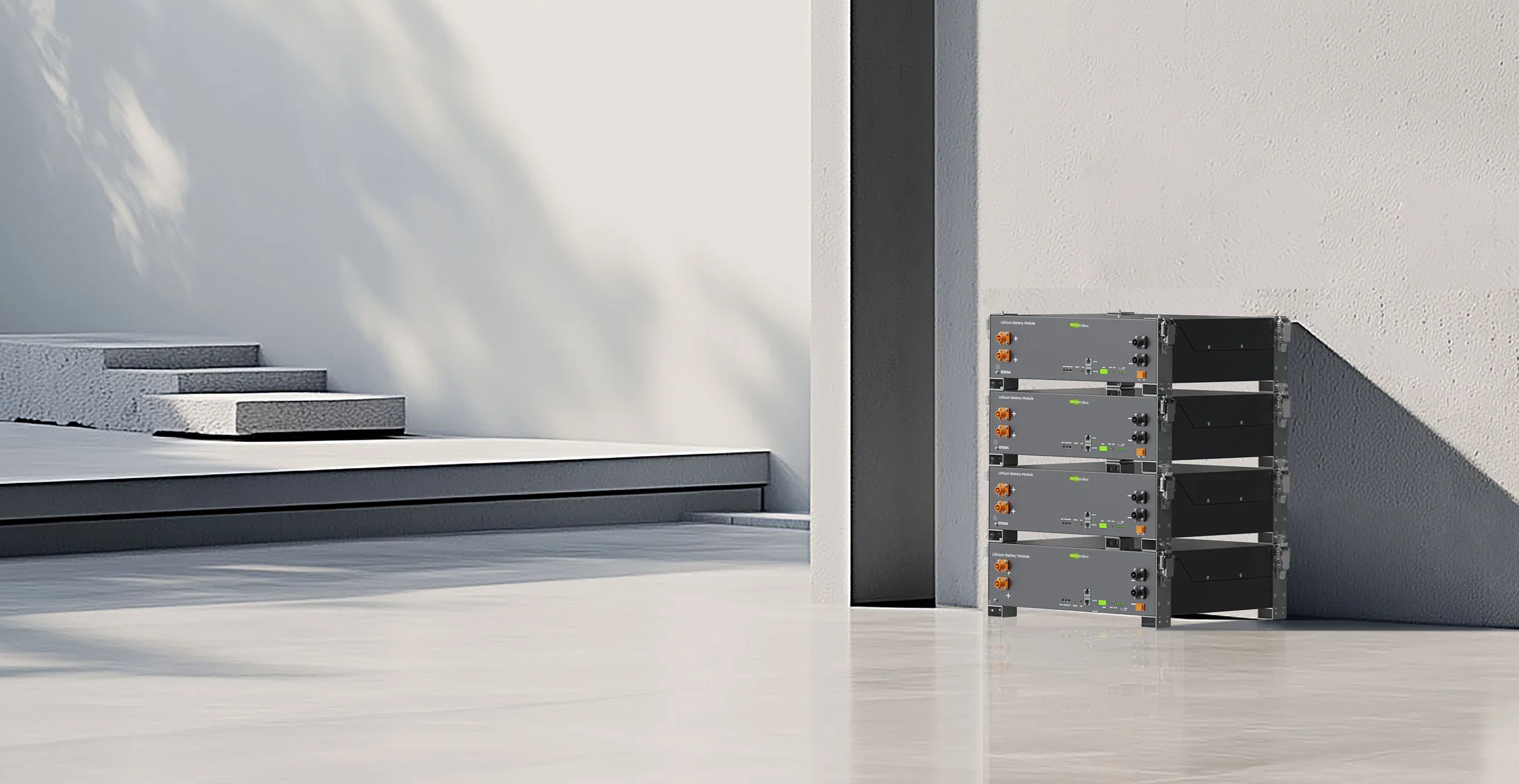
Professionals planning to integrate a stationary battery system must assess several technical factors prior to installation. A LiFePO4 server rack battery offers distinct advantages in cycle life and thermal stability, but its performance is contingent on correct deployment. Proper planning ensures the system meets safety standards and operational demands. For integrators, key considerations span electrical infrastructure, environmental conditions, and system communications.
Electrical Service and Grid Interconnection Requirements
The existing electrical panel and service capacity must support the addition of a rack mount LiFePO4 battery. Installers need to verify available space, the rating of breakers, and the compatibility of the system’s inverter with the local grid profile. This includes ensuring compliance with interconnection standards, which may require specific grid-support functions. An undersized electrical service can lead to inefficiencies and potential tripping of protective devices.
Thermal Management and Operational Environment
While lithium iron phosphate chemistry is known for its thermal resilience, consistent performance relies on a controlled environment. The installation space for a LiFePO4 server rack battery requires adequate ventilation and a stable, moderate ambient temperature. Excessive heat can accelerate cell degradation, while cold temperatures can temporarily reduce available capacity. A climate-controlled room or enclosure is often recommended to maintain the manufacturer’s specified operating conditions and maximize the product’s service life.
System Integration and Monitoring Capabilities
A modern rack mount LiFePO4 battery is part of a larger energy ecosystem. Integration involves both hardware connectivity and software communication. Ecosolex systems are designed with standardized protocols to interface seamlessly with various inverters and energy management systems. Verifying this compatibility beforehand is crucial. Furthermore, establishing a robust monitoring platform allows for remote oversight of battery health, state of charge, and power flow, enabling proactive maintenance.
A successful installation hinges on a pre-deployment audit of electrical capacity, environmental controls, and communication protocols. Addressing these areas ensures that a LiFePO4 server rack battery system will deliver on its promised reliability and integrate smoothly into the client’s commercial energy framework.
