Unplanned crane downtime can disrupt production schedules, delay material handling, and increase maintenance costs. For facilities depending on overhead lifting equipment, preventive maintenance is more than a routine service task. It is a practical way to identify developing problems before they causeing equipment failures.
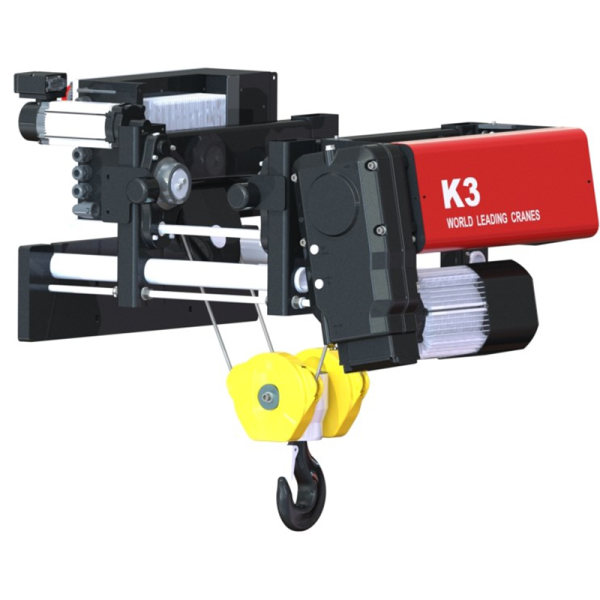
A wire rope hoist contains several interconnected mechanical and electrical components, including the wire rope, drum, rope guide, motor, brake, hook, trolley, and control system. A maintenance strategy that considers these components together can improve equipment availability while supporting safer lifting operations.
Why Preventive Maintenance Matters for Wire Rope Hoists
A wire rope hoist is often exposed to repeated lifting cycles, changing loads, vibration, and environmental conditions. Over time, these factors can affect both mechanical components and electrical systems.
Waiting until a hoist stops working can make a minor issue considerably more expensive to resolve. For example, a worn wire rope may initially show only broken wires or corrosion, while continued operation can accelerate deterioration. Similarly, inadequate lubrication can increase friction in moving components and contribute to premature wear.
A preventive maintenance program instead focuses on regular inspection, lubrication, adjustment, and replacement based on equipment condition and operating requirements. This approach helps maintenance teams identify potential problems while the equipment is still operational.
Start With the Wire Rope and Drum
The wire rope is one of the most important load-bearing components of a wire rope hoist. Its condition should therefore receive consistent attention during routine inspections.
Maintenance personnel should look for broken wires, kinks, corrosion, deformation, abrasion, and abnormal wear. The rope should also wind correctly onto the drum without overlapping or becoming tangled. A properly functioning rope guide is important because incorrect winding can increase local stress and accelerate rope deterioration.
The drum itself also deserves inspection. A suitable drum diameter and rope-guiding arrangement can help reduce unnecessary bending and wear. WORLDHOISTS wire rope hoists, for example, use a large rope drum and a 360-degree rope guide to support controlled winding and help extend wire rope service life.
Establish Clear Criteria for Wire Rope Replacement
One common maintenance question is: when should wire rope replacement take place?
There should not be a replacement decision based solely on operating hours. Actual rope condition, load cycles, working environment, and manufacturer or applicable safety criteria should all be considered.
Visible broken wires, significant corrosion, kinking, excessive stretching, deformation, or other damage can indicate that the rope has reached a condition where replacement is necessary. Continuing to use a visibly deteriorated rope simply because it has not reached a predetermined service interval can increase operational risk.
Replacement should also use a rope that matches the hoist manufacturer’s specified requirements. Incorrect rope construction, strength, diameter, or installation can affect how the hoist performs.
Keeping inspection records is equally important. A maintenance log can show when the rope was inspected, what issues were identified, and when replacement was completed. Over time, this information can help teams identify recurring problems and improve maintenance planning.
Do Not Overlook Overhead Crane Lubrication
Overhead crane lubrication is another important part of preventive maintenance. Components such as gears, bearings, trolley mechanisms, and other moving parts depend on appropriate lubrication to reduce friction and wear.
However, lubrication should not simply mean adding grease whenever a component appears dry. The correct lubricant, quantity, application method, and maintenance interval should follow the equipment manufacturer’s recommendations and the actual operating conditions.
Too little lubrication may increase friction and component wear, while excessive or inappropriate lubrication can also create maintenance problems. Dust, metal particles, moisture, and high temperatures may further affect lubricant performance.
A structured lubrication schedule can help maintenance teams keep track of which components require attention and prevent important service points from being overlooked.
Inspect the Brake, Hook, Trolley, and Safety Devices
A wire rope hoist should be evaluated as a complete lifting system rather than as an isolated lifting mechanism.
The brake system should be checked for reliable stopping and holding performance. The hook should be inspected for deformation, cracks, wear, or other abnormalities. Trolley wheels and travel mechanisms should be checked for smooth movement and signs of excessive wear.
Limit switches and overload protection also require functional testing. These devices can help prevent operating conditions that may damage the hoist or create unnecessary safety risks.
Match Maintenance to the Actual Duty Cycle
Not every hoist operates under the same conditions. A unit used occasionally for maintenance lifting will have a different maintenance profile from one operating continuously in a production environment.
Maintenance planning should therefore consider lifting frequency, average and maximum loads, lifting height, operating speed, ambient temperature, humidity, dust, corrosive exposure, and duty classification.
For example, WORLDHOISTS wire rope hoists cover capacities from 0.8 to 80 tons, lifting heights up to 90 meters, and duty classes from M4 to M6. This range illustrates why maintenance and equipment selection need to be connected to the actual operating requirements rather than based only on rated lifting capacity.
Turning Maintenance Into a Long-Term Reliability Strategy
A reliable overhead crane maintenance program does not depend on one inspection or one component. It combines regular checks, correct lubrication, timely wire rope replacement, operator awareness, accurate records, and appropriate technical support.
For facilities relying on a wire rope hoist for routine material handling, this approach can reduce unexpected interruptions and make maintenance costs more predictable. WORLDHOISTS supports this process with hoisting equipment, technical assistance, installation support, maintenance services, and application-specific configurations
