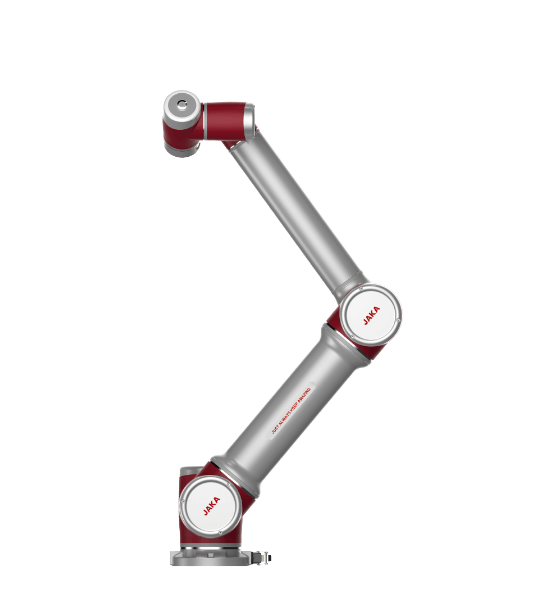
As industries increasingly embrace automation, the debate between industrial cobots and alternative solutions becomes more pronounced. Industrial collaborative robots (cobots) are renowned for their flexibility and adaptability, but how do they truly compare to other industrial automation options? By evaluating the benefits and limitations of each, businesses can determine which option best aligns with their operational requirements.
Industrial Cobots: Flexibility and Adaptability at the Core
Industrial cobots are designed with versatility in mind. Unlike traditional industrial robots, which are often rigid and specialized, cobots can work alongside human operators, adapting to various tasks in real-time. This adaptability makes them ideal for dynamic production environments, where workpieces and tasks may change frequently. A key advantage of cobots is their ease of reprogramming, enabling quick adjustments between tasks such as assembly, polishing, and packaging without requiring extensive downtime or new equipment.
Additionally, cobots like the JAKA Pro12 offer strong environmental adaptability, with an IP68-rated main body that withstands harsh conditions, ensuring high protection and long-term durability. This level of resilience means cobots can be deployed in environments where traditional robots might fail, such as dusty or wet factories, further enhancing their flexibility.
Alternatives: Specialized but Less Flexible
While alternatives such as fixed automation or manual labor offer high precision for specific tasks, they generally offer lower flexibility that cobots bring. Fixed automation, is designed for specific functions, making it difficult to retool or repurpose for different tasks. Although these systems can deliver high throughput and precision, their lack of adaptability makes them less suitable for businesses that need to scale or adjust to shifting market demands quickly.
Manual labor, while flexible in theory, can be inefficient and prone to human error, leading to higher operational costs and increased safety risks.
JAKA’s Industrial Cobots: A Smart Choice for Flexible Automation
The JAKA Pro12 is a prime example of the performance and flexibility of industrial collaborative robots. With its high-precision repeatability and maintenance-free integrated joint design, the JAKA Pro12 supports stable and reliable in demanding industrial applications. It offers a small footprint and easy deployment, making it a highly adaptable solution for a wide range of industries. For businesses seeking the ultimate flexibility in automation, JAKA’s industrial cobots are a top choice for maximizing productivity and minimizing costs.
