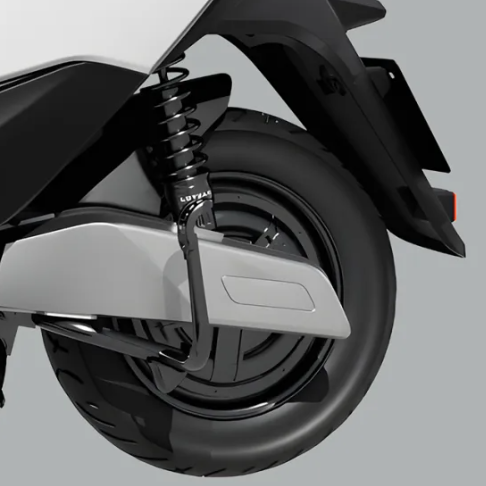
A model can look attractive in a catalogue yet prove difficult to sell if its specifications, price positioning, or maintenance requirements do not match local demand. Distributors assessing the LUYUAN electric scooter MKK-12 should look beyond the product name and consider how its performance, operating costs, and support arrangements fit the intended customer base.
LUYUAN serves the electric two-wheeler market with a broader product portfolio, making a structured evaluation useful for businesses planning to build a sustainable retail or distribution operation.
Assessing Technical Specifications and Daily Usability
A specification sheet is most useful when each figure answers a practical question. Motor power affects acceleration and the ability to handle particular riding conditions, while battery capacity provides context for energy storage and potential range. Neither number should be considered in isolation: rider weight, road gradients, traffic patterns, and frequent stops can all influence real-world performance. Distributors should request clear technical documentation and distinguish standard specifications from optional configurations before comparing quotations.
Riding comfort and safety deserve equal attention during product evaluation. Suspension design, braking performance, tire dimensions, lighting, vehicle weight, and seating position can influence whether a model suits daily commuting or occasional leisure use. Local regulations may also impose limits on speed, power, equipment, or vehicle classification. A product that performs well in one region may require additional checks before it can be marketed legally in another.
Battery details should be reviewed with long-term ownership in mind. Chemistry, rated capacity, charging requirements, expected service life, and replacement availability can affect both customer satisfaction and after-sales expenses. Dealers should ask how battery performance is tested and what operating conditions apply to published range figures. Clear answers make it easier to explain realistic expectations and avoid relying on headline claims that may not reflect everyday use.
Matching Product Positioning to Market Demand
The right product assortment depends on who is expected to purchase and ride the vehicles. Urban commuters may prioritize manageable running costs and convenient charging, while riders covering longer distances may place more weight on range and sustained performance. Commercial customers can have different requirements again, including durability, predictable maintenance, and quick access to replacement parts. Market interviews and competitor analysis help distributors identify which features customers are willing to pay for.
Price positioning should reflect the full ownership proposition rather than the initial purchase price alone. Customers may compare financing options, energy expenses, routine servicing, replacement components, and expected resale value. Retailers need a similar calculation from the business perspective, factoring in freight, duties, storage, marketing, payment fees, and warranty reserves. A model with a higher wholesale cost may still be commercially viable if local demand and margins support it, while a low-priced option can become expensive if service needs are difficult to manage.
Inventory planning benefits from a phased approach. Rather than ordering numerous variants before demand is established, distributors can start with a focused assortment, track inquiries and sales conversion, then adjust replenishment according to actual performance. The LUYUAN electric motorcycle MKK-12 should be assessed within this broader product strategy, alongside other vehicle categories that may suit different budgets and riding needs. A balanced catalogue gives dealers more flexibility without tying up excessive capital in slow-moving stock.
Reviewing Supplier Reliability and Partnership Terms
Product quality is only one part of a successful supplier relationship. Consistent production, clear order documentation, realistic delivery schedules, and transparent communication all influence how easily a distributor can operate. Before signing an agreement, prospective partners should ask about minimum order quantities, sample availability, production lead times, payment milestones, and procedures for handling discrepancies between the approved specification and delivered goods.
After-sales support also deserves written clarification. Warranty coverage should identify the relevant components, exclusions, claim process, and responsibility for shipping or labor costs. Dealers should establish whether technical manuals, troubleshooting assistance, spare-parts lists, and service training are available. These details become particularly important when a retailer has to diagnose problems without direct access to the manufacturer’s technical team.
A model-specific review illustrates why exact configuration information matters. LUYUAN’s official MKK product listing identifies a configuration with a 2,000 W rated motor, a stated maximum speed of 64 km/h, and a 72 V 30 Ah LFP battery. These figures should be checked against the precise version offered in a quotation, since specifications can vary by configuration and market. Before sourcing the LUYUAN electric scooter MKK-12, distributors should confirm the applicable model code, battery details, compliance documentation, warranty terms, and availability of replacement components.
Conclusion
A sound sourcing decision combines technical verification with commercial judgment. Local demand determines which features matter, total-cost analysis reveals whether the product can support a workable margin, and supplier due diligence helps reduce avoidable operational risks. LUYUAN offers distributors a range of electric two-wheelers to assess against their market requirements, but each proposed configuration should be reviewed on its own documented specifications and terms.
By evaluating the LUYUAN electric motorcycle MKK-12 alongside the broader portfolio, businesses can make a more informed decision about product fit, inventory commitments, and the support needed to develop a durable distribution relationship.
