When hospitals and medical-device distributors compare anesthesia kits, the lowest unit price is rarely enough to determine the better purchasing option. Two kits may appear similar on a quotation sheet while differing in component selection, catheter specifications, accessories, packaging, or available configurations. For procurement teams, the more useful approach is to evaluate how well the kit configuration matches the intended procedure and supply requirements.
This is especially relevant when sourcing anesthesia consumables for regular hospital procurement or distribution. Instead of comparing only the number of components in each package, buyers should examine configuration, technical characteristics, compatibility, documentation, and supplier capabilities.
Start With the Intended Application
Before comparing individual kits, buyers should establish what the kit is expected to support. Different procedures may require different combinations of catheters, guide wires, needles, dilators, syringes, caps, or other accessories.
A practical comparison should therefore begin with the intended application and workflow. Procurement teams can ask whether the proposed kit contains the components normally required for the procedure and whether the configuration reduces the need for separate purchases.
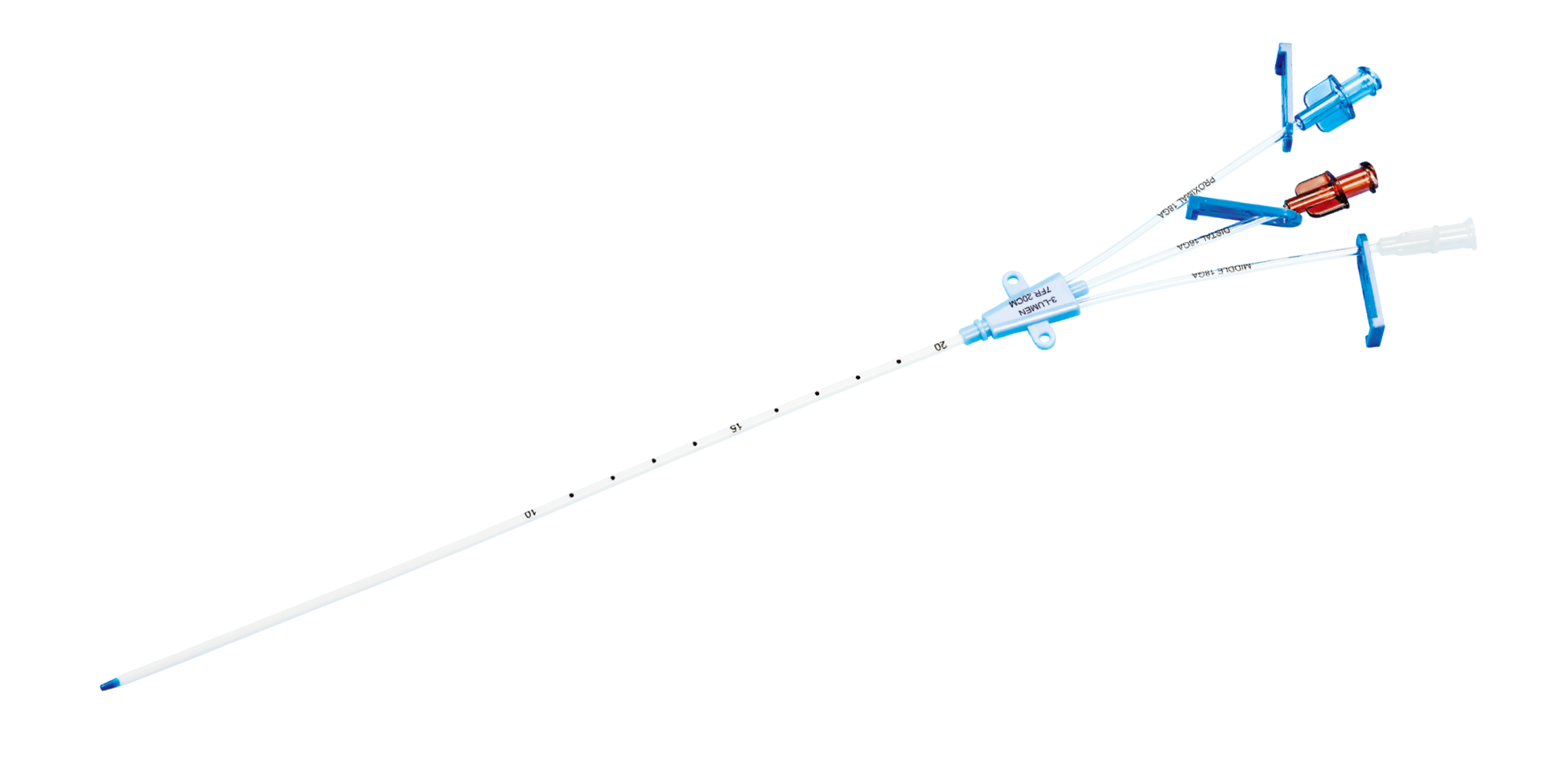
For example, a central venous catheter kit may contain a catheter, dilator, introducer needle, guide wire, syringe, scalpel, injection cap, and catheter clamp. Shunmei’s central venous catheter kit lists these components as part of its standard configuration, while also specifying features such as a soft-tip catheter, radiopaque material, and medical-grade material designed to soften at 37°C.
Compare the Configuration in Detail
Look Beyond the Number of Components
A kit containing more accessories is not automatically more suitable. Buyers should request a complete component list and compare each item according to its function and specification.
Important questions include:
What catheter type and size are supplied?
What guide wire material and configuration are included?
Is a dilator included?
What type of introducer needle is supplied?
Are injection caps, syringes, scalpels, or clamps part of the standard kit?
Are different lengths, lumen types, or configurations available?
For hemodialysis catheter kits, for instance, Shunmei’s published product information lists the catheter, dilator, Nitinol guide wire, introducer needle, scalpel, syringe, and injection caps as standard components. The product information also identifies radiopaque materials, a soft-tip design, and catheter material that softens at body temperature.
These details give procurement teams a clearer basis for comparison than broad descriptions such as “complete” or “comprehensive.”
Check Compatibility and Specifications
Compatibility should also be considered before a purchase order is finalized. Buyers should verify catheter dimensions, lumen configuration, extension-line specifications, accessory compatibility, packaging, and relevant product codes.
This is particularly important for distributors that need to maintain consistent product information across different markets. A clearly documented configuration can make product registration, inventory management, quotation preparation, and customer communication easier.
Evaluate Anesthesia Manufacturers on Supply Capability
The manufacturer should be evaluated alongside the kit itself. When comparing anesthesia manufacturers, procurement teams can examine the breadth of the product portfolio, manufacturing experience, quality-management certifications, documentation support, and ability to provide different configurations.
Shunmei’s anesthesiology portfolio currently includes central venous catheter kits, hemodialysis catheter kits, and disposable pressure transducers, among other anesthesia-related products. This product breadth may be useful for distributors seeking to consolidate sourcing across related medical-device categories.
However, portfolio breadth should not replace product-level verification. Buyers should still request the current specification sheet, regulatory documentation, packaging information, and applicable market registration details for each product under consideration.
Build a Procurement Comparison Checklist
A structured comparison can help purchasing teams avoid focusing exclusively on price. At minimum, five areas should be reviewed:
- Application Fit
Confirm that the kit configuration corresponds with the intended procedural workflow.
- Component Configuration
Compare every included component rather than relying on the total number of items.
- Technical Specifications
Check dimensions, catheter characteristics, materials, lumen configuration, and other relevant specifications against the manufacturer’s documentation.
- Documentation
Verify applicable certificates, registration information, labeling, packaging, and instructions for use.
- Supply and Customization
For recurring procurement, assess available configurations, production capacity, lead-time expectations, and whether product specifications can meet the requirements of the target market.
Choosing a Supplier With a Clear Product Structure
For procurement teams, a transparent product structure can make supplier evaluation more practical. Instead of selecting a kit solely because of a competitive quotation, procurement teams can compare the actual configuration, technical documentation, and supply conditions side by side.
When reviewing potential suppliers, Shunmei provides an example of a manufacturer with an anesthesiology product portfolio that can be evaluated at both the product and supplier levels. Buyers can review the relevant product information and request current technical specifications, configuration details, and relevant documentation before making a purchasing decision.
